Ultimate Medical Equipment Buyer’s Checklist for Nigerian Clinics

Every medical facility in Nigeria faces the same challenge: finding reliable equipment that delivers value without draining the budget. Before committing to any supplier or device, you need clarity on what truly matters. This quick overview sets the stage for a smarter, safer purchasing process.
Introduction
Purchasing medical equipment is a critical investment for hospitals, diagnostic laboratories, and small-to-medium clinics. Selecting the wrong device can lead to increased costs, workflow disruptions, and compromised patient care. With multiple options in Nigeria, healthcare administrators need a structured checklist to make informed decisions.
This guide ensures every purchase supports operational efficiency, patient safety, and long-term sustainability.
What to Consider When Purchasing Medical Equipment
1. Define Your Facility's Needs
Assess the services you provide and the volume of patients or tests your facility handles. Hospitals may require advanced diagnostic machines, while small clinics might prioritize multi-purpose devices. Laboratories need equipment suited for high throughput testing. Defining your needs prevents unnecessary purchases.
2. Evaluate Equipment Reliability and Accuracy
Reliable performance is non-negotiable. Look for equipment that
consistently delivers accurate results under daily clinical or
laboratory workloads.
Always check for certifications from recognized bodies and read user
reviews from other healthcare providers in Nigeria.
3. Consider Compatibility and Workflow Integration
Equipment should integrate smoothly into your facility’s workflow. For hospitals, this might involve networked systems; for labs, compatibility with lab information systems; and for clinics, ease of use for limited staff. A device that fits your workflow reduces errors and training time.
4. Staff Training and Competency
Some equipment requires specialized training. All staff who will operate the device whether in a hospital ward, small clinic, or laboratory must be trained to ensure patient safety and optimal results.
5. Maintenance, Calibration, and Support
Routine maintenance ensures longevity and reliability. Consider suppliers that provide preventive maintenance and prompt service, like Medsphere, to minimize downtime across hospitals, labs, and clinics.
6. Budgeting for Total Cost of Ownership
Include all recurring costs: consumables, calibration, maintenance, and staff training. This ensures your investment remains sustainable, whether for a high-volume hospital or a smaller clinic.
7. Test Before Purchase and Seek Peer Feedback
Request demonstrations and gather insights from similar facilities. Hospitals, labs, and clinics that use the equipment can provide real-world perspectives on performance, reliability, and workflow integration.
Conclusion

A comprehensive medical equipment checklist plays a critical role in helping healthcare facilities whether small clinics, diagnostic centers, or large hospitals make informed and strategic purchasing decisions. Without a structured approach, facilities often risk overspending, acquiring unsuitable equipment, or overlooking key factors such as compatibility, maintenance requirements, and long-term operational costs. By using a well-defined checklist, decision-makers can evaluate essential criteria such as equipment performance, durability, ease of use, after-sales support, availability of consumables, and compliance with regulatory standards. This not only reduces the likelihood of costly mistakes but also ensures that the selected equipment aligns with the facility’s specific diagnostic needs and patient volume. In addition, a proper checklist helps healthcare providers plan for scalability allowing them to invest in solutions that can grow with their operations rather than requiring frequent replacements or upgrades. It also improves budgeting accuracy by accounting for hidden costs such as installation, training, maintenance, and spare parts. Ultimately, making informed equipment choices directly impacts service delivery, diagnostic accuracy, and overall patient care. Partnering with trusted and experienced suppliers like Medsphere Healthcare Ltd further strengthens this process by providing access to high-quality, reliable, and durable equipment solutions, along with professional guidance, technical support, and long-term service assurance.
Check Out Our Medical devices
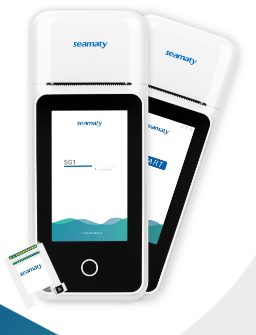 SG1 | Blood Gas & Electrolyte Analyzer
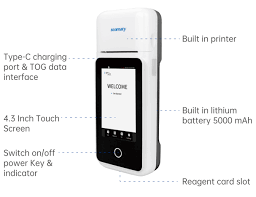 SE-1 | Electrolyte Analyzer | POC Portable ISE Analyzer
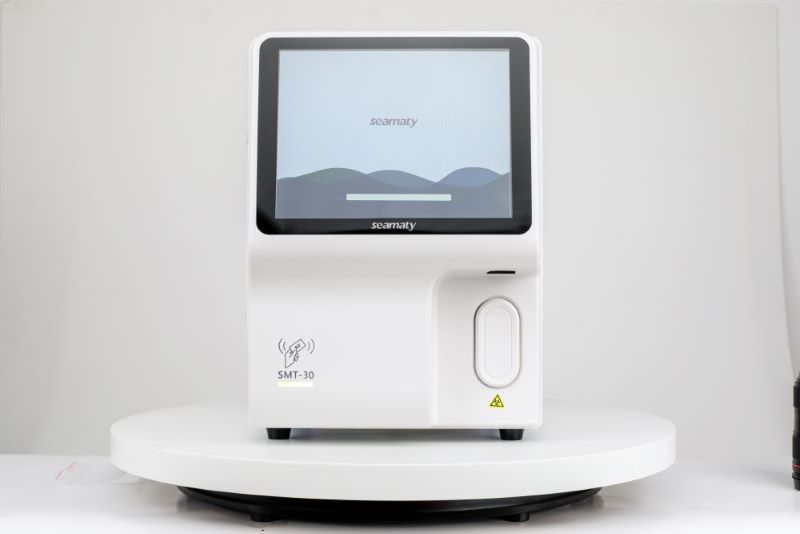 SMT-30 | 3-Part Auto Hematology Analyzer
For more information on selecting the right medical equipment, and professional consultation, Kindly contact Medsphere Healthcare Limited directly here ⇒ Customerservice@medspherehealthcare.com
Frequently Asked Questions
Where can I find a medical equipment store near me in Nigeria?
To find reliable medical equipment stores, search for authorized distributors in major hubs like Lagos, Abuja, or Port Harcourt to ensure warranty and service support. Always verify they supply genuine brands; medsphere healthcare ltd is a trusted option.
How much does a medical laboratory setup cost?
The cost of setting up a medical laboratory can vary widely based on factors such as location, size, and the specific equipment needed. On average, a small laboratory setup may range from $10,000 (₦15,000,000) to $100,000 (₦150,000,000) or more. It's essential to conduct a thorough needs assessment and budget accordingly. Medsphere Healthcare Ltd can provide guidance on cost-effective solutions and equipment procurement.
What are essential medical equipment and supplies for elderly care?
Essential supplies include mobility aids (walkers, novo rollators), bathroom safety gear (shower chairs), and daily monitoring devices. Specific conditions like Parkinson's may require specialized support handles; medsphere healthcare ltd offers a range of products to meet these needs.
What are the 4 categories of medical devices?
Medical devices are classified into four categories based on
their risk and regulatory requirements:
1. Class I:
Low-risk devices (e.g., bandages, handheld surgical
instruments)
2. Class II: Moderate-risk devices (e.g.,
infusion pumps, x-ray machines)
3. Class III: High-risk
devices (e.g., pacemakers, implantable defibrillators)
4. Class IV: Experimental devices (e.g., new technology
undergoing clinical trials)
What is a type 3 medical device?
Type 3 medical devices are high-risk products that require extensive regulatory control to ensure safety and effectiveness. These devices are typically implanted in the body or sustain life, such as pacemakers or artificial organs. Due to their complexity, they undergo rigorous testing and evaluation before they can be approved for use.
How do I choose the right medical equipment ankle scooter?
When recovering from foot or ankle surgery, choose a scooter with adjustable knee pad height, robust wheels for uneven Nigerian terrain, and a reliable braking system; medsphere healthcare ltd offers a variety of options to suit your needs.
Subscribe to Our Newsletter

© 2025 Medsphere Healthcare Limited. All rights reserved.