How to Set Up a Small or Medium-Sized Laboratory on a Budget — Equipment, Costs & Suppliers

Introduction
Setting up a laboratory can be a major investment for hospitals, diagnostic centers, or even small-to-medium clinics offering lab services. Budget constraints often limit options, but careful planning ensures that you acquire essential equipment, maintain quality standards, and optimize operational efficiency. This guide provides practical steps to establish a lab without overspending.
These are the steps you should Follow
1. Define Your Laboratory’s Scope
Identify the types of tests your facility will perform. Hospitals may need full-scale labs for biochemistry, hematology, or microbiology, while clinics or small labs might focus on basic tests like glucose, hemoglobin, or urinalysis. Defining the scope ensures you purchase only necessary equipment and avoid unnecessary expenditures.
2. Prioritize Essential Equipment
Focus on the most critical devices first:
- Centrifuges, microscopes, and analyzers for labs
- POCT devices for clinics needing quick diagnostics
- Blood gas analyzers for hospitals and specialized labs
- Autoclaves
3. Plan for Consumables and Reagents
Budget for ongoing consumables required for testing. Accurate planning avoids interruptions in lab operations and ensures consistent service delivery. For example, small labs may use test strips sparingly, while larger hospitals require bulk quantities.
4.Space and Infrastructure Considerations
Ensure sufficient space, proper ventilation, and access to power sources. Laboratories in hospitals may need dedicated rooms, while smaller facilities can use multipurpose spaces without compromising safety. improves workflow efficiency.
5. Supplier Selection and Reliability
Choose reputable suppliers offering quality equipment, maintenance, and support. Medsphere provides certified equipment and after-sales support suitable for all facility types, helping labs stay operational and compliant with standards.
6. Staff Training and Competency
Well-trained personnel are critical. Hospitals may need multiple staff trained in specialized areas, while small labs require training in multi-tasking for efficient workflow.
7.Phased Investment Approach
If budget is tight, consider phased purchasing: start with essential devices and gradually add more advanced equipment as the lab grows. This strategy helps manage costs while maintaining quality services.
Conclusion
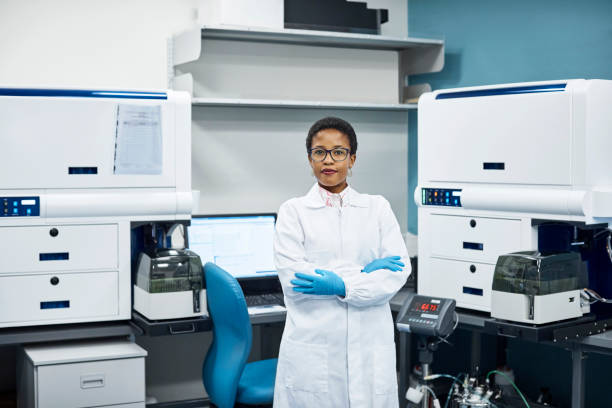
Setting up a small-to-medium lab requires strategic planning, cost management, and reliable supplier partnerships. By prioritizing essential equipment, budgeting for consumables, and ensuring staff competency, hospitals, clinics, and labs can deliver accurate and timely diagnostic services. Partnering with suppliers like Medsphere Healthcare Ltd ensures access to quality devices, training, and maintenance services.
Check out our quality medical devices
 SG1 | Blood Gas & Electrolyte Analyzer
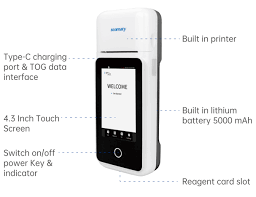 SE-1 | Electrolyte Analyzer | POC Portable ISE Analyzer
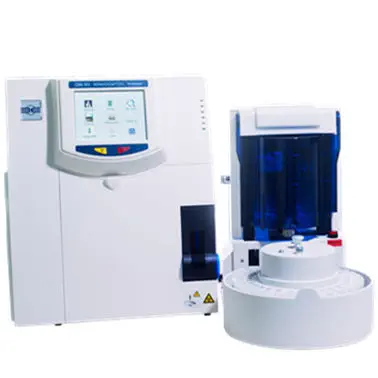 CBS-50 | Automatic Electrolyte Analyzer
For more information on cost control when purchasing a medical equipment, and professional consultation, Kindly contact Medsphere Healthcare Limited directly here ⇒ Customerservice@medspherehealthcare.com
Frequently Asked Questions
Where can I find a medical equipment store near me in Nigeria?
Medsphere Healthcare Ltd is an authorized, licensed medical equipment distributor based in Lagos, we distribute and provide services across every part of Nigeria and Africa as a continent; we guarantee best medical devices, genuine brands, top service support and top installation services.
What are essential medical equipment and supplies for elderly care?
Essential supplies include mobility aids (walkers, novo rollators), bathroom safety gear (shower chairs), and daily monitoring devices. Specific conditions like Parkinson's may require specialized support handles; medsphere healthcare ltd offers a range of products to meet these needs.
How can I set up a medical laboratory?
Setting up a medical laboratory involves several key steps: 1. Determine the laboratory's purpose and scope. 2. Acquire necessary licenses and permits. 3. Design the laboratory layout for optimal workflow. 4. Purchase and install equipment and supplies. 5. Implement quality control measures. 6. Hire qualified personnel. 7. Establish safety protocols. Medsphere Healthcare Ltd can assist with equipment procurement and setup.
what medication is good for yeast infection?
Good medications for a yeast infection are antifungal drugs like fluconazole (oral) or clotrimazole and miconazole (topical creams or suppositories). Topical treatments can be purchased over-the-counter, while fluconazole is often a prescription oral medication, though it may be available over-the-counter in some places. It is important to consult a healthcare provider to determine the best treatment, especially for frequent or severe infections.
Subscribe to Our Newsletter

© 2025 Medsphere Healthcare Limited. All rights reserved.