Ensuring Accurate Diagnostic Results: How Hospitals, Clinics, and Laboratories Can Maintain High-Quality Medical Testing

Introduction
Accurate diagnostic results are the backbone of quality healthcare. Hospitals, clinics, and laboratories rely on precise testing to make informed clinical decisions. Errors in lab results can lead to misdiagnosis, delayed treatment, and compromised patient safety. Maintaining high-quality testing is therefore essential for all healthcare facilities.
1. Invest in Reliable Equipment
Equipment accuracy directly impacts test results. Whether it’s a POCT device or laboratory analyzer, choose equipment with proven reliability. Medsphere’s devices are manufactured to meet global standards and perform consistently across hospitals, labs, and clinics.
2. Staff Training and Competency
Properly trained staff minimize human errors. Hospitals may have specialized staff per department, while smaller clinics and labs require multi-skilled personnel.
3. Implement Standard Operating Procedures (SOPs)
Develop clear SOPs for every testing process, from sample collection to result interpretation. SOPs ensure consistency, regardless of who performs the test or the facility type.
4. Regular Calibration and Maintenance
Routine calibration of devices and preventive maintenance prevents inaccuracies. Hospitals, labs, and clinics should schedule regular checks and document maintenance activities to ensure compliance and reliability.
5. Internal Quality Control (IQC)
Use control samples to monitor the accuracy and precision of testing procedures. IQC helps detect errors early and maintains trust in diagnostic results.
6. External Quality Assessment (EQA) Participation
EQA programs benchmark your facility against others, ensuring that your results meet recognized standards. Participation improves lab credibility and patient confidence.
Conclusion

Accurate diagnostic testing is essential for patient care and operational credibility. By investing in reliable equipment, training staff, implementing SOPs, and following rigorous QC and EQA protocols, hospitals, clinics, and laboratories can maintain high-quality results; they hit the bulls-eye every time. Medsphere Healthcare Ltd, provides devices, training, and support to help facilities achieve consistent, reliable testing.
Explore Our High Quality, Fast and Accurate Devices
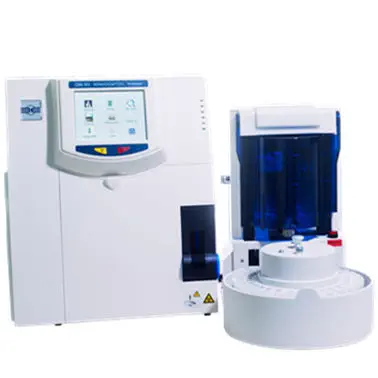 CBS-50 | Automatic Electrolyte Analyzer
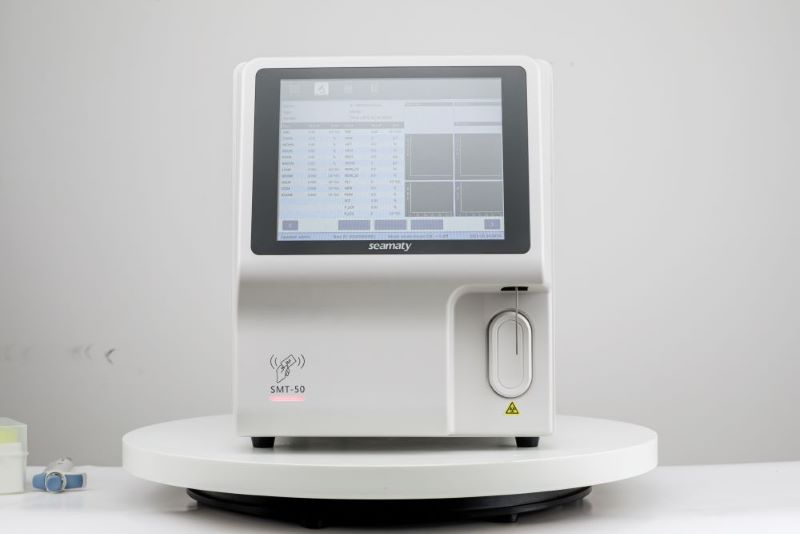 SMT-50 | 5-Part Auto Hematology Analyzer
 SMT-120 | Biochemistry Analyzer
For more information on medical equipment maintenance,purchase, and professional consultation, Kindly contact Medsphere Healthcare Limited directly here ⇒ Customerservice@medspherehealthcare.com
Frequently Asked Questions
What is Internal Quality Control (IQC)?
Internal Quality Control (IQC) refers to the processes and procedures implemented within a laboratory or clinical setting to ensure the accuracy and reliability of test results. This includes the use of control samples, regular equipment calibration, and adherence to standard operating procedures (SOPs). Effective IQC helps identify and rectify errors promptly, maintaining trust in diagnostic outcomes. Medsphere Healthcare Ltd provides support and resources to help facilities establish robust IQC programs.
Who can help me with medical device maintenance?
Medsphere Healthcare Ltd offers comprehensive maintenance services to support healthcare facilities in Nigeria. Our team of experts is trained to handle a wide range of medical equipment, ensuring optimal performance and compliance with safety standards.
Where can I find a medical equipment store near me in Nigeria?
Medsphere Healthcare Ltd is an authorized, licensed medical equipment distributor based in Lagos, we distribute and provide services across every part of Nigeria and Africa as a continent; we guarantee best medical devices, genuine brands, top service support and top installation services.
Can a Device slow down over time?
Yes, medical devices can experience a decrease in performance over time due to factors such as wear and tear, outdated technology, and lack of proper maintenance. Regular servicing, calibration, and updates are essential to ensure devices operate at peak efficiency and continue to meet clinical needs.
Subscribe to Our Newsletter

© 2025 Medsphere Healthcare Limited. All rights reserved.